When we started working on the Internet in the early 1990s we used to speak about the need to bridge the “Digital Divide”. In this pursuit of equality of the citizen and the netizen we created a new merged world of Cinezens. While Citizens derived the benefit of E Commerce and E Governance due to this merger, Cyber Criminals exploited this situation by committing Cyber Crimes and get away with it due to weaknesses in law and the enforcement systems.
Now we are seeing an ugly face of this cyber crime where there is a complete dependence of citi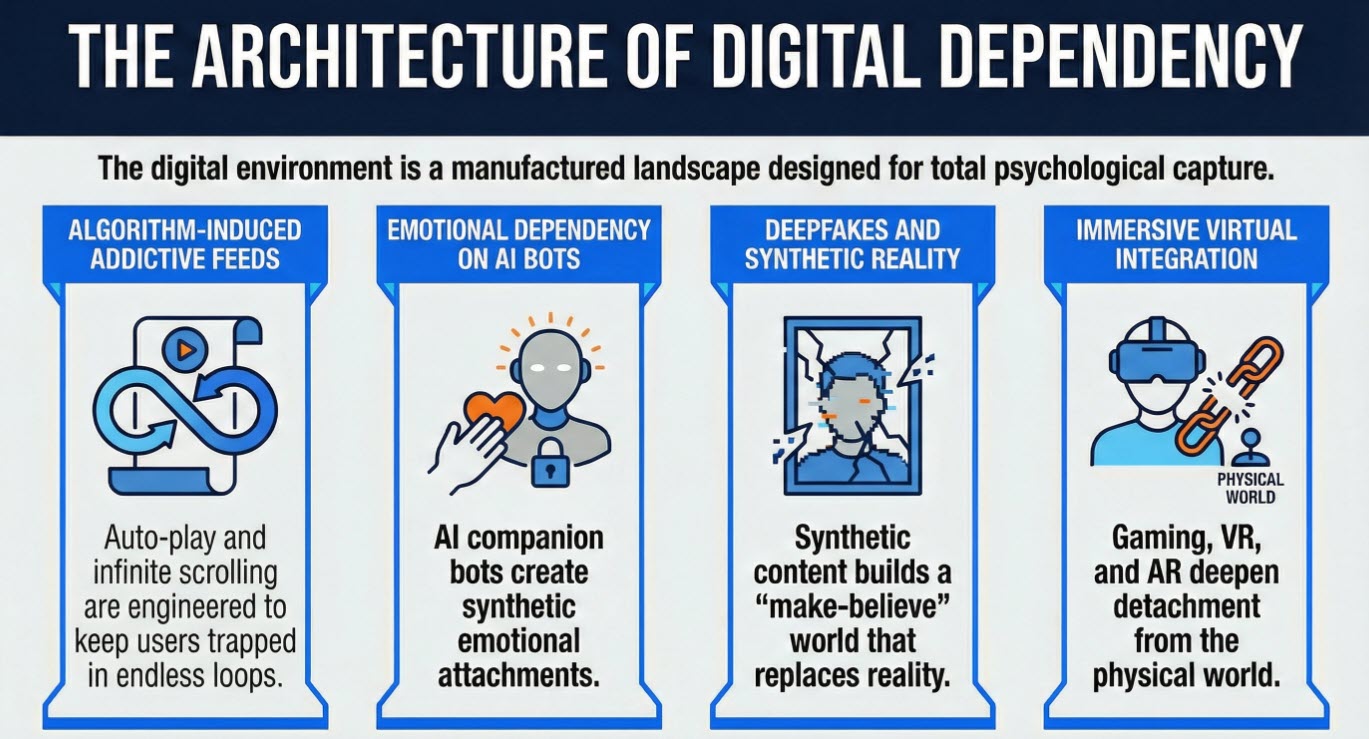 zens on the Internet and this dependence is creating a field day for psychological manipulators in cheating the innocent citizens .
New technology developments such as AI and VR/AR have only increased the cyber crime risks for the society. One offshoot of this development is the increasing addiction of our children to mobiles which is a concern for the next generation.
It is time that we try to find a solution to this and make our Children safe on the Internet. Merely asking them not to use mobile will not work since the usage will go “Underground”.
Hence we need to ensure that even if the children continue to use Internet and the devices, the harm is reduced substantially.
Some measures we need to consider in this direction is for schools to work towards creating an awareness that “Cyber World is different from Physical World” and we need to learn “Not to trust any message online without Fact Checking”.
In other words we need to build a psychological barrier for children to recognize that mixing the cyber experience with real experience is dangerous. The augmented reality, the games that mix cyber space existence with real life need to be closely monitored and regulated.
We understand that the Government is thinking of banning mobile for children like what Australia has done. Probably this will help a little but real success comes from children voluntarily distancing themselves from Mobiles and the reels.
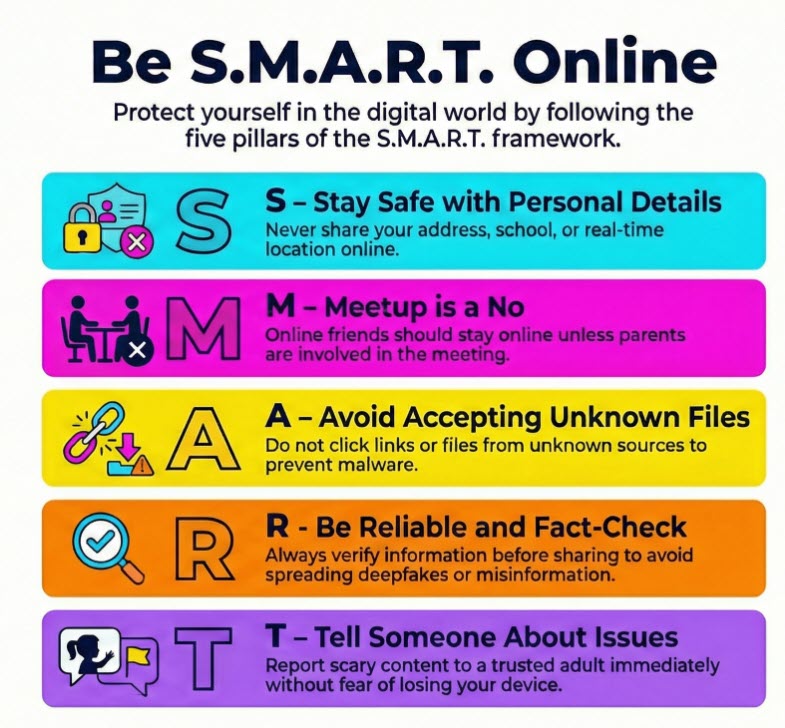
The SMART network is a guideline but we need to design strategies to create a psychological digital divide so that children know that the two societies are different and should not be mixed.
May be we require the Schools to work more on this aspect while they continue to promote the responsible use of Internet through computers. Access through Computers at our option and access through mobile whenever it “Trings” are two different things and this has to be recognized.
All of us including adults need to remember the need for “Ulysses Contracts” where use of the screen is at our choice and not at the device’s choice.
AI specialists should work on how to prevent addiction rather than create more and more addiction. If not, regulators need to step in with a liberal interpretation of “Dark Patterns” which are already recognized as Crimes in our legislations such as Consumer Act, ITA 2000 and DPDPA 2023.
Need to discuss these during the S P Acharya Endowment lecture today at Bangalore.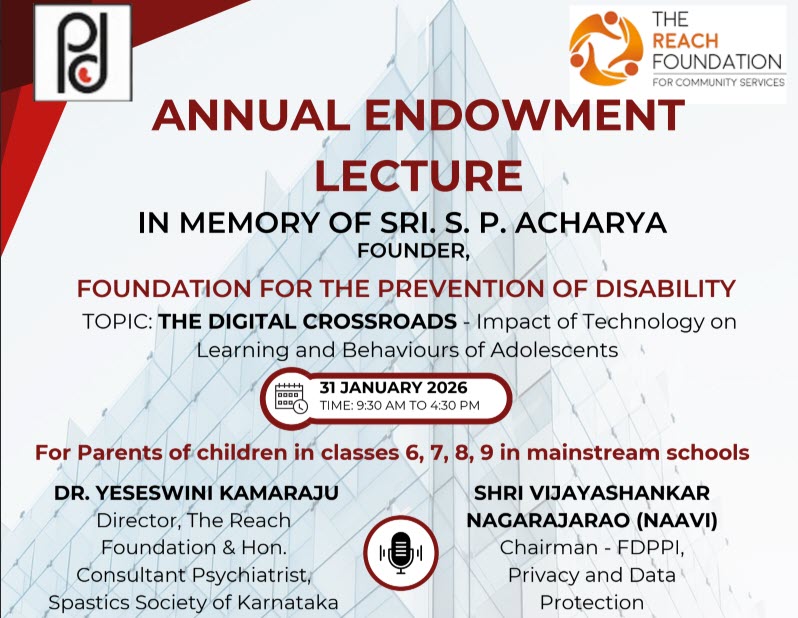
Naavi